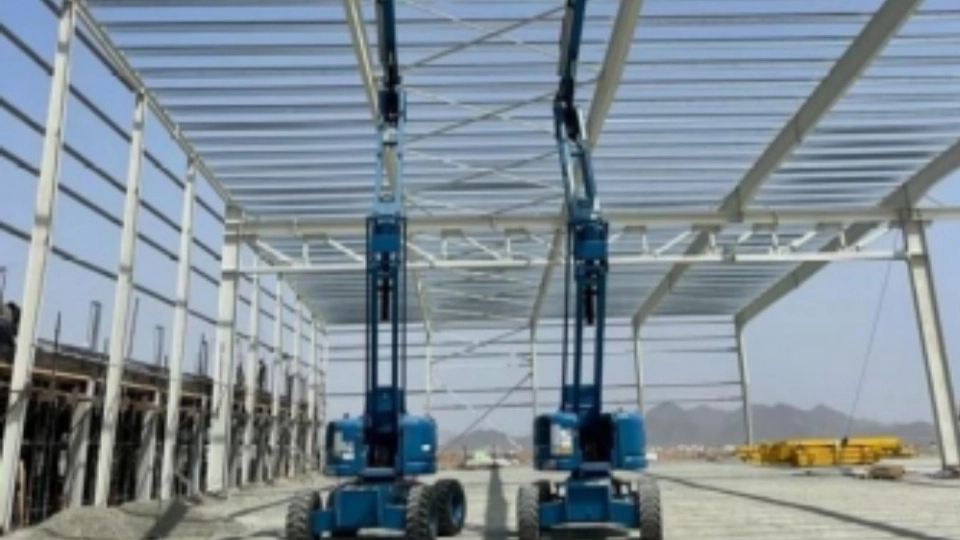
In this article, we are going to introduce you to the shed lift and its uses.
The shed lift is a type of industrial lift that is used to move people and cargo at high altitudes, specifically inside the shed. and industrial workshops.
Today there are many challenges in the field of moving heavy loads and installing objects at a height, which the shed lift solves these challenges to a large extent.
Shed elevators are designed and manufactured in different types, such as hydraulic elevators, chain elevators, telescopic elevators, and accordion elevators, according to the type of use and customer needs.
Here we discuss the types of lifts:
Shovel lift
Hydraulic lift
Car lift
Fixed hydraulic lift
Hydraulic wheelchair lift< /p>
In the following, we discuss the specifications of a shed lift:
The specifications of a shed lift depend on its type, brand and model, but in general, they can be placed in the following categories:
Working height:
Short lifts: up to 6 meters
Medium lifts: up to 12 meters
Long lifts: up to 20 meters or more
Load capacity:
Light lifts: Up to 300 kg
Semi-heavy lifts: up to 600 kg
Heavy lifts: up to 1000 kg or more
Hydraulic lifts:
They are the most common type of shed lift and use a hydraulic system to raise and lower the lift platform. These types of lifts are available in two fixed and mobile models.
Chain lifts:
Chains are used to raise and lower the lifting platform and are usually used for short heights.
Telescope lifts:
They have telescopic arms that can change their length and allow the operator to reach higher points.
ACCHENDER LOGS:
They have an accordion platform that can be folded and unfolded and moved easily.
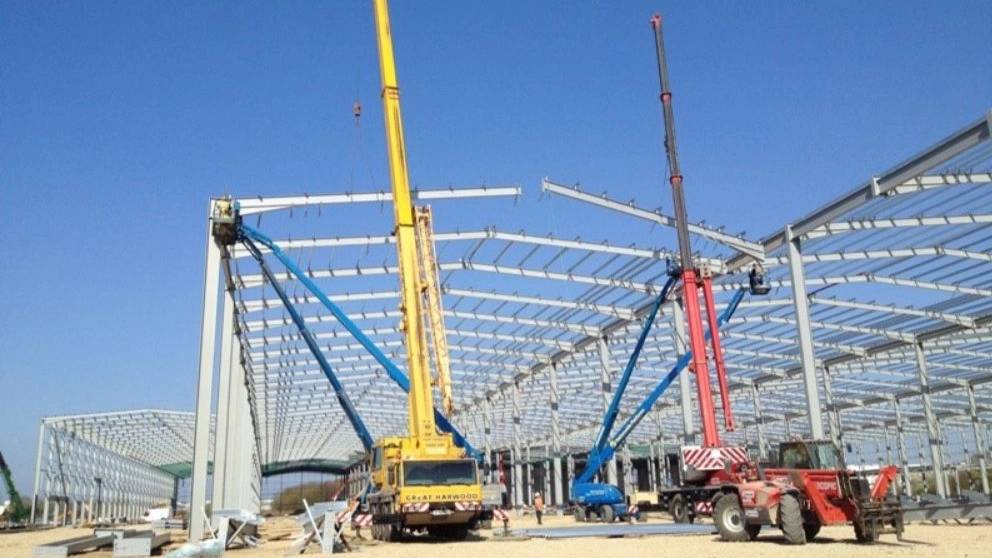
Benefits of using niche lift:
Increasing safety: Shovel lifts are a safe alternative to ladders and scaffolding at high altitudes and prevent people from falling and accidents.
Increase Work efficiency: With the use of a shed lift, the movement of people and cargo is done quickly and easily, and as a result, work efficiency increases. Cost reduction: /b> Using a shed lift compared to traditional methods such as scaffolding is more economical in the long run. They allow easy access to different parts of the shed at high altitudes.
Different applications: Shed lifts can be used for various purposes, including installation and repair of equipment, painting and painting, lighting, cleaning, etc.
Shed elevator applications:
Shed elevators have many different applications in different industries.
Installation and repair of equipment:
Installation and repair of sheds and metal frames
Installation and repair of electrical panels and lighting systems
Installation and repair of air ducts and air conditioning systems
Installation and repair of piping and systems Fire extinguishing
Installation and repair of cranes and lifts
Painting and painting:
Painting and painting of sheds and industrial workshops
Painting and painting of facades of buildings and structures Long
Painting and painting of reservoirs and tanks
Painting and painting of bridges and underpasses
Lighting:
Installation and repair of lights and projectors in sheds and industrial workshops
Installation and repair of lights and projectors on the facade of buildings and tall structures
Installation and repair of lights and projectors In the streets and passages
Cleaning:
Cleaning sheds and industrial workshops
Cleaning facades of buildings and tall structures
Cleaning windows and glass
Cleaning swimming pools and Tanks
Other applications:
Loading and unloading goods in sheds and warehouses
Moving people and equipment in industrial workshops
Accessing hard-to-reach places in industrial sheds and workshops
Filming and photography from the heights
Benefits of using niche lift compared to traditional methods:
Increasing safety: Shovel lifts are a safe alternative to ladders and scaffolding at high altitudes and prevent people from falling and accidents.
Increase Work efficiency: By using a shed lift, the movement of people and cargo is done quickly and easily, and as a result work efficiency increases.
Cost reduction: Using a shed lift is more cost-effective in the long run compared to traditional methods such as scaffolding.
Easy access: Shed lifts allow operators to Easily access different parts of the shed at high altitudes.
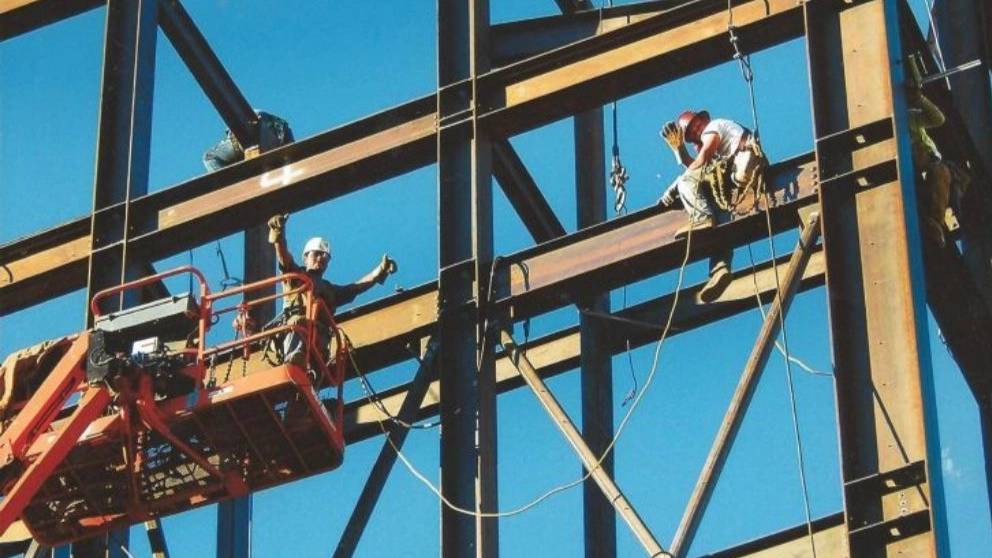
When choosing the right lift, consider the following:
Working height: The first step in choosing a shed lift is to determine the height required to do the work.
Load capacity: The lift capacity must It should be proportional to the weight of the load and the number of people to be moved. Type of use: According to the type of use and environmental conditions, the appropriate type of lift (hydraulic, chain, telescopic, accordion).
Brand and quality: Choosing a reliable and quality brand is very important in terms of safety and longevity of the lift.
Price: The price of shed lifts varies according to the type, brand, load capacity and working height.